


Views: 1
BIN3AIAH PLANES • AVIATION HISTORY • PLANES-004
Boeing 747: The Aircraft That Changed Aviation
The remarkable story of the Queen of the Skies, the jumbo jet that transformed global travel and became one of the most recognizable aircraft ever built.


7
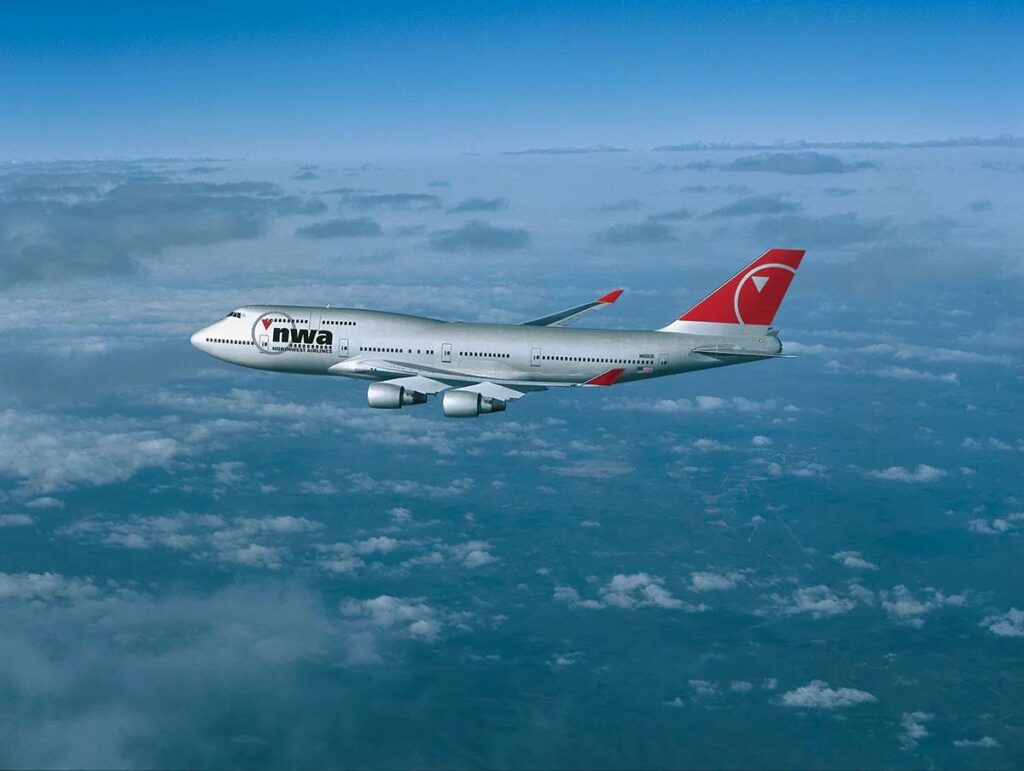
For more than half a century, the Boeing 747 has symbolized the golden age of international aviation. With its distinctive upper-deck hump, four powerful engines, and enormous passenger capacity, the aircraft earned a legendary nickname: the Queen of the Skies.
When the 747 entered airline service in 1970, it transformed the economics of long-distance flying. It allowed airlines to carry hundreds of passengers across oceans in a single flight, helping make international travel accessible to a much larger population.
The 747 was more than an aircraft. It became a symbol of globalization, engineering ambition, and humanity’s desire to connect distant parts of the world.
The Boeing 747 at a glance
9 Feb 1969
First flight
1970
Commercial debut
1,574
Total aircraft built
2023
Final delivery
Historical figures confirmed by Boeing.

Boeing
+1
1. The birth of the Jumbo Jet
During the 1960s, international aviation was growing rapidly. Aircraft such as the Boeing 707 had proven that jet travel could connect continents, but airlines needed much larger aircraft to accommodate increasing passenger demand.
Pan American World Airways, commonly known as Pan Am, became an important driving force behind Boeing’s ambitious new project.
Boeing responded with an aircraft unlike anything the commercial aviation industry had previously seen.
Under the leadership of chief engineer Joe Sutter, the Boeing engineering team designed the world’s first twin-aisle widebody jetliner. The enormous aircraft required an entirely new manufacturing facility in Everett, Washington.
On February 9, 1969, the first Boeing 747 took to the skies. Less than a year later, Pan Am introduced it into commercial service between New York and London.
The Museum of Flight
+1


8
2. Why the Boeing 747 was revolutionary
An aircraft designed for hundreds of passengers
Earlier long-distance jetliners typically carried far fewer passengers. The Boeing 747 introduced a significantly wider fuselage, accommodating multiple aisles and large seating sections.
Depending on its variant and cabin arrangement, it could transport hundreds of passengers in a single flight.
This increased capacity helped airlines reduce operating costs per passenger when seats were filled, contributing to the growth of mass international tourism.
The unmistakable upper deck
One of the 747’s most recognizable features is its raised cockpit and short upper deck.


This distinctive shape had a practical purpose. By positioning the cockpit above the main deck, Boeing could accommodate a large upward-opening nose cargo door on freighter versions.
Passenger airlines later used the upper deck for exclusive seating areas, premium cabins, and lounges.
The result was one of the most recognizable silhouettes in aerospace history.
Four powerful jet engines
The original 747 introduced the Pratt & Whitney JT9D high-bypass turbofan into commercial service. Later versions used upgraded engines from Pratt & Whitney, General Electric, and Rolls-Royce.
Four engines provided the thrust needed to lift the enormous aircraft and support long-range operations.
Modern 747-8 aircraft use General Electric GEnx engines, representing decades of advances in propulsion technology.
3. The evolution of the Boeing 747


Boeing 747-100
1969 first flight
The original jumbo jet that launched the widebody aviation era and introduced the distinctive 747 shape.


Boeing 747SP
1975 first flight
A shortened, long-range model designed for demanding intercontinental routes.


Boeing 747-200
1970 first flight
Improved engine options, higher operating weights, and greater range expanded the aircraft’s capabilities.


Boeing 747-400
1988 first flight
Winglets, modern avionics, improved efficiency, and a two-pilot glass cockpit made this one of the most successful 747 versions.

Boeing 747-8
2010 freighter first flight
The final generation introduced redesigned wings, advanced GEnx engines, improved aerodynamics, and passenger and cargo variants.
4. Technical specifications: Boeing 747-8 Intercontinental


| Specification | Boeing 747-8I |
|---|---|
| Manufacturer | Boeing, USA |
| Aircraft type | Widebody passenger jet |
| Length | 76.3 m |
| Wingspan | 68.4 m |
| Height | 19.4 m |
| Engines | 4 × GE GEnx-2B67 |
| Typical seating | 467 passengers, 3-class layout |
| Range | Approximately 14,320 km |
| Cruise speed | Approximately Mach 0.85 |
| Maximum takeoff weight | Approximately 447,700 kg |
Published reference specifications; actual capacity, range, and operating performance depend on configuration and conditions.
5. How the Boeing 747 changed global aviation
The 747 transformed the aviation industry in several important ways.
- Affordable international travel: Greater seating capacity made it possible to spread operating costs across more passengers.
- Growth of international tourism: Airlines could transport large numbers of travelers between major destinations.
- Airport infrastructure: Airports expanded terminals, gates, runways, and ground-handling facilities to accommodate jumbo jets.
- Global trade: Dedicated 747 freighters helped transport heavy machinery, electronics, vehicles, and time-sensitive cargo.
- Long-distance connectivity: The aircraft became a mainstay of routes connecting major cities across continents.
Its impact extended beyond aviation into business, tourism, international commerce, and cultural exchange.
6. The Boeing 747’s extraordinary missions


NASA Space Shuttle Carrier
Specially modified Boeing 747 aircraft transported NASA’s space shuttles between landing sites and other facilities, making the jumbo jet an important part of America’s space program.


Air Force One
Specially modified 747-200B aircraft, designated VC-25A, became iconic symbols of United States presidential transportation.


Heavy Cargo Transportation
The 747’s enormous cargo hold and distinctive nose-loading capability made freighter versions particularly valuable for oversized shipments.
7. The end of production: 2023


After more than five decades of production, Boeing delivered the final 747 to Atlas Air on January 31, 2023.
The final aircraft was a Boeing 747-8 Freighter, marking the conclusion of one of the longest and most influential production programs in aviation history.
By that milestone, Boeing had manufactured 1,574 Boeing 747 aircraft.
Jan 31, 2023
+1
The commercial aviation industry had changed. Modern twin-engine aircraft such as the Boeing 787 and Airbus A350 offered airlines greater fuel efficiency and more flexibility on many passenger routes.
Nevertheless, production ending did not mean the immediate disappearance of the 747. Passenger and cargo examples continued operating, while preserved aircraft ensured its history would remain visible to future generations.
8. Why the Queen of the Skies will never be forgotten
The Boeing 747 represents an era when aviation engineering pursued extraordinary scale and ambition.
Its distinctive hump, enormous wings, four engines, and powerful presence turned a commercial aircraft into a global cultural icon.
For pilots, it became one of the most prestigious aircraft to fly. For passengers, it offered the unforgettable experience of crossing oceans aboard a giant airliner. For aviation enthusiasts, it remains a masterpiece of industrial design.
The 747 did not simply carry millions of travelers. It helped change the way people experienced the world.
The Queen of the Skies may no longer be produced, but her legacy continues to fly.
Video gallery
Three useful video references for the published article:


The Final Boeing 747 Celebration
Boeing official event, January 2023Official Boeing video and gallery


Boeing 747 Cockpit and Takeoff
Pilot perspective and flight-deck operationsFind cockpit videos
The History of the Boeing 747
Historical footage and documentary contentFind historical videos
Video search links are discovery references, not verified individual videos. Confirm embed availability and usage rights before publication.
Publication package — Bin3aiah Planes
WordPress SEO settings
Prepared
Post ID
PLANES-004
SEO title
Boeing 747: The Aircraft That Changed Aviation
URL slug
boeing-747-aircraft-that-changed-aviation
Focus keyword
Boeing 747
Category
Commercial Aircraft / Aviation History
Tags
Boeing 747, Jumbo Jet, Queen of the Skies, Boeing History, Aviation, Widebody Aircraft
Meta description
Discover the Boeing 747, the legendary Queen of the Skies. Explore its history, revolutionary design, specifications, variants, and aviation legacy.
Featured image recommendation: A high-resolution side profile of a Boeing 747-8 in flight, with its upper-deck hump and all four engines clearly visible. Recommended display ratio: 16:9.
Suggested image alt text: “Boeing 747 jumbo jet flying above the clouds, showing its distinctive upper deck and four engines.”
Media rights: Use Boeing’s official gallery to identify suitable photographs and confirm permissions, or source appropriately licensed aircraft photographs from Wikimedia Commons. The visual references above are not automatically cleared for republication.
Sources and further reading
- Boeing — 747 history, information and gallery
- The Museum of Flight — Boeing 747-121
- Boeing — Final 747 delivery announcement
Status: Article and SEO package prepared for planes.bin3aiah.net. Not published to WordPress.